



Creating a really efficient and interesting benefits package involves more than just providing a standard set of choices. A supercharged flexible benefits system lets workers customize their benefits to meet their specific requirements and situations, hence promoting more happiness, retention, and general well-being. This tailored strategy acknowledges the many lifestyles and goals inside a workforce and lets people assign benefit cash or credits to the choices most important to them. Organizations can build a more appealing and competitive job offer by providing a menu of options covering health, financial, and lifestyle perks. Success depends on a well-considered design and execution strategy taking into account employee needs, financial limits, and administrative viability.
Perform Comprehensive Needs Assessment
A effective flexible benefits package starts with knowing your staff members. Surveys, focus groups, or personal interviews will help you find their present benefit use, unmet needs, and preferences. Study demographic data to identify the various needs of various staff groups. This data-driven strategy guarantees that the flexible benefits program really meets the requirements of your staff and thereby optimizes its effect.
Establish Explicit Goals and Budget:
Set precise, quantifiable goals for your flexible benefits program. Do you want to increase employee engagement, minimize benefit expenses, draw and keep talent, or raise employee happiness? At the same time, establish a reasonable program budget taking into account possible employee contributions as well as company donations. Creating a lasting and efficient program depends on your alignment of goals with your financial limits.
Create a Varied and Appropriate Menu:
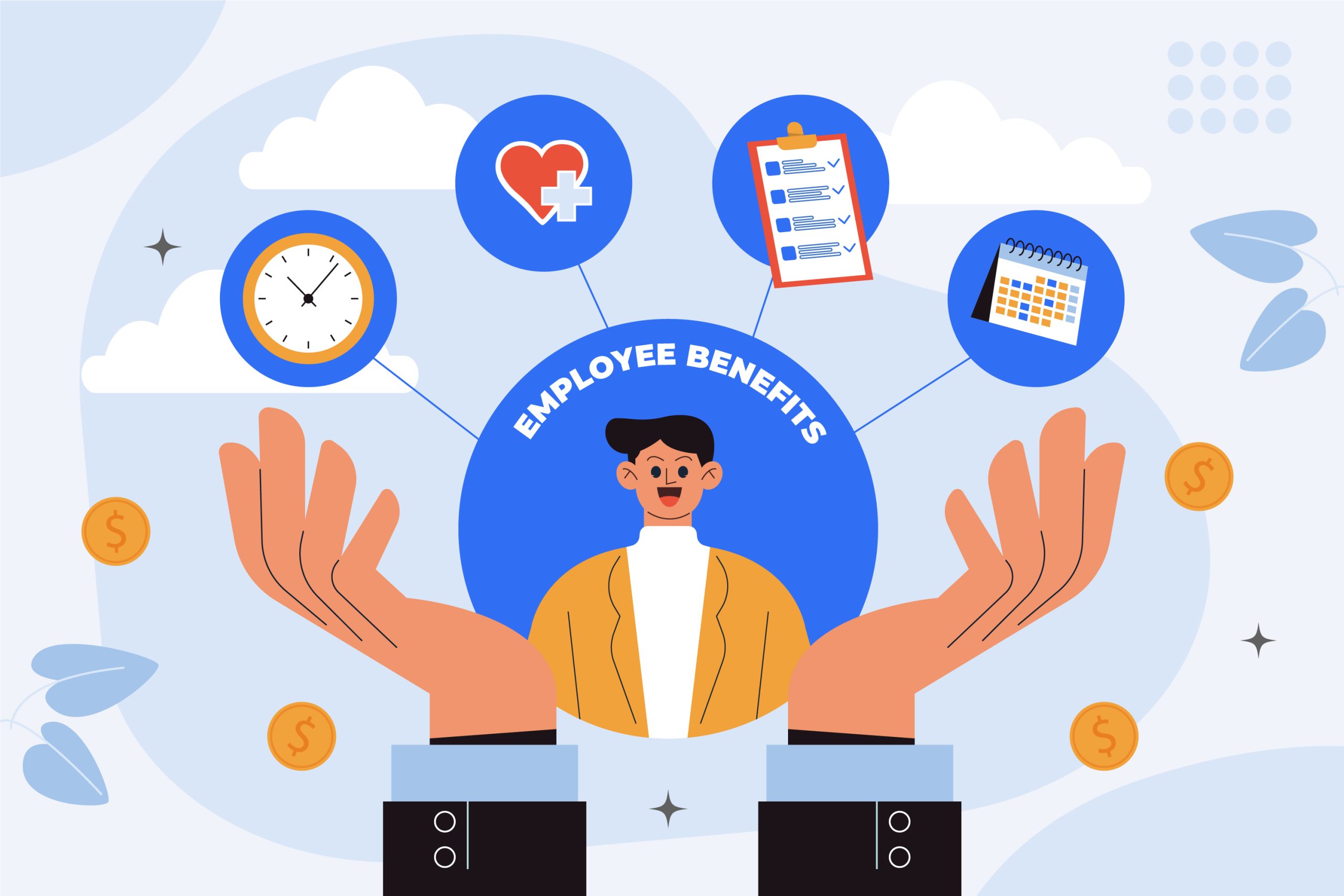
From the needs analysis and budget, compile a thorough menu of benefit possibilities. This might cover lifestyle perks like gym memberships or child care help, wellness programs, tuition reimbursement, retirement savings plans, disability insurance, life insurance, health savings accounts (HSAs), flexible spending accounts (FSAs), health insurance policies, and more. The secret is to provide a variety of options that fit various life stages and priorities.
Constantly assess and iterate.
Monitoring the efficacy of the flexible benefits program and collecting employee input will be absolutely vital once it is started. Monitor employee happiness levels, use of various benefits, and enrollment trends. Ask for comments often via feedback sessions or surveys. Ensure the program stays current and useful to your staff by using this information to find areas for development and gradually modify it as required.
Ultimately, creating a supercharged flexible benefits package calls for a smart and employee-centric strategy. Companies can build a strong tool that improves employee well-being, increases involvement, and sharpens their competitive edge in the talent market by means of knowledge of employee needs, clear goal-setting, a varied menu, use of technology, and regular program assessment.